Find the decision behind the task.
I start where data, language, and user intent disagree, then reframe the brief around the decision people actually need to make.
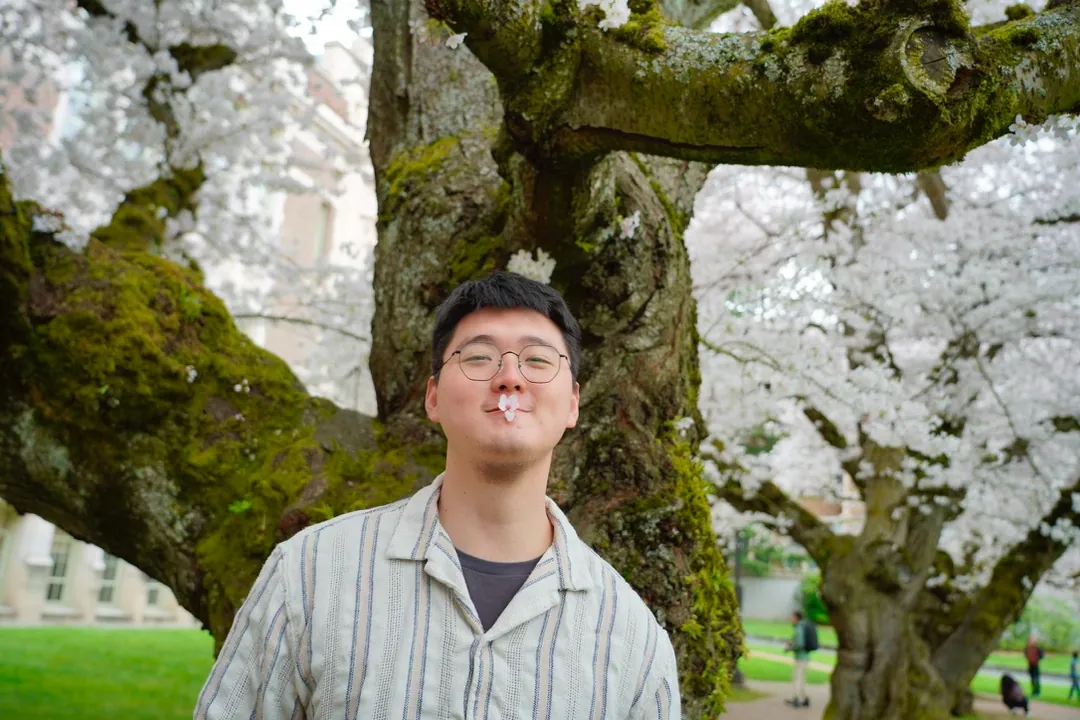
Ken Pan · Senior Product Designer
I work on complex B2B commerce, enterprise systems, and AI-assisted workflows.
I help teams turn dense information into clear choices, then prototype with engineering to see how those choices hold up in use.
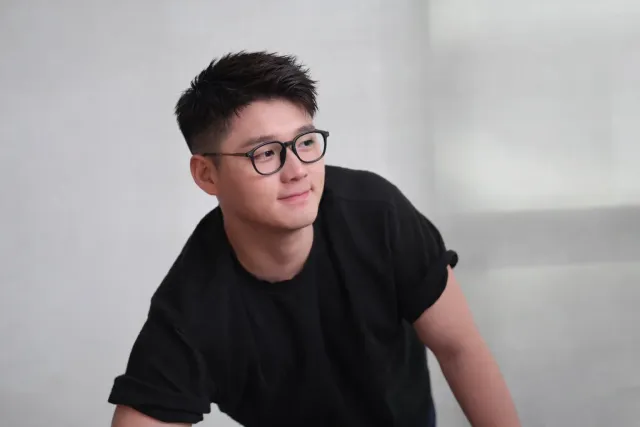
I start where data, language, and user intent disagree, then reframe the brief around the decision people actually need to make.
I lay out gains, costs, and uncertainty so the team can judge the choice — and I hold AI output to the same evidence.
I prototype a small, reversible slice with engineering, and change course when the build teaches something new.
AI gathers the clues.
AI suggests directions.
AI checks for gaps.
For the veterinary stickers, I show the 2021 line and color drafts beside the 2026 AI-assisted refinements. I label the original artwork and the later demonstration separately so you can compare what changed. Compare the original and refined artwork
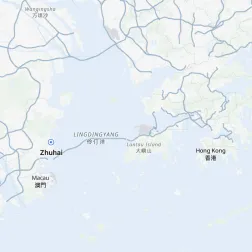
Watching Zhuhai’s fishing villages become tech parks made me believe technology could improve everyday life. It was never abstract here: it kept arriving, and it kept changing what an ordinary day could look like.
Learning Chinese painting from my grandfather shaped my eye for detail and beauty.
He taught through repetition, never talent. The right answer usually sits on the other side of a hundred wrong ones, and I still work that way.
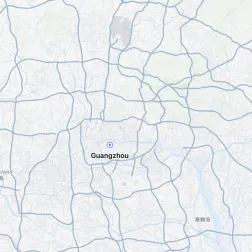
At the Guangzhou Academy of Fine Arts Affiliated High School, I discovered the Bauhaus in library books and magazines.
Its connection between craft, art, and technology still shapes how I design and build.
That school is also where design first clicked. Logic and creativity stopped being opposites and became the same instinct, aimed at different problems.
The Bauhaus gave me a concrete goal too: earn a place at China’s top design school.
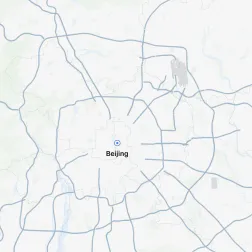
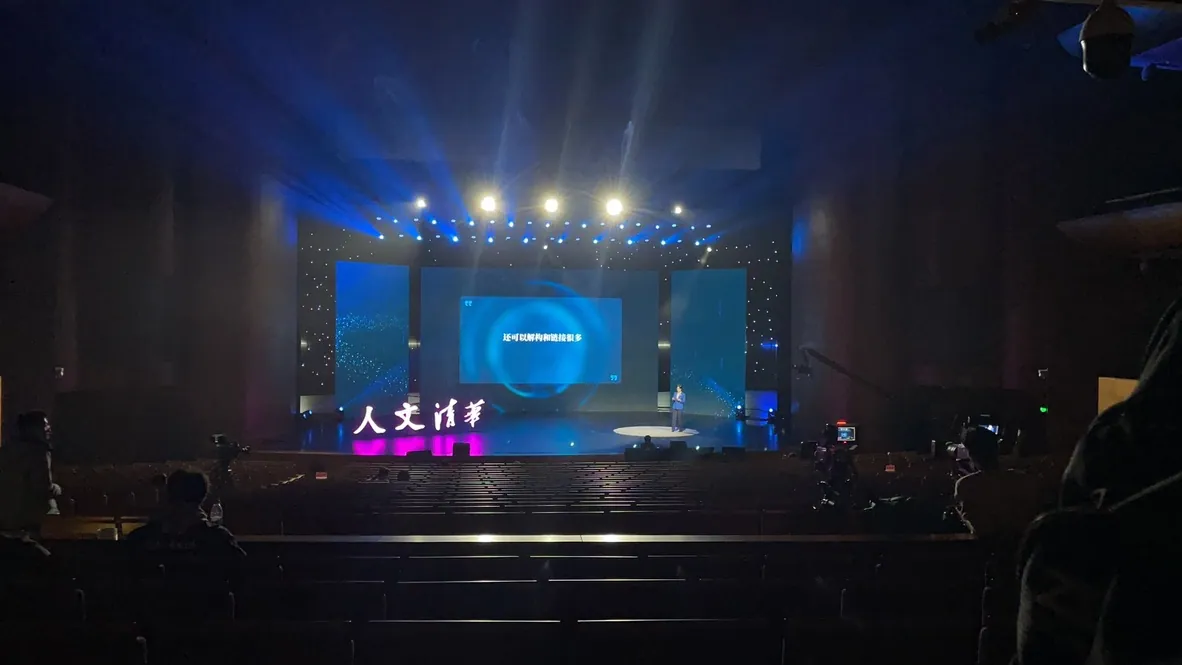
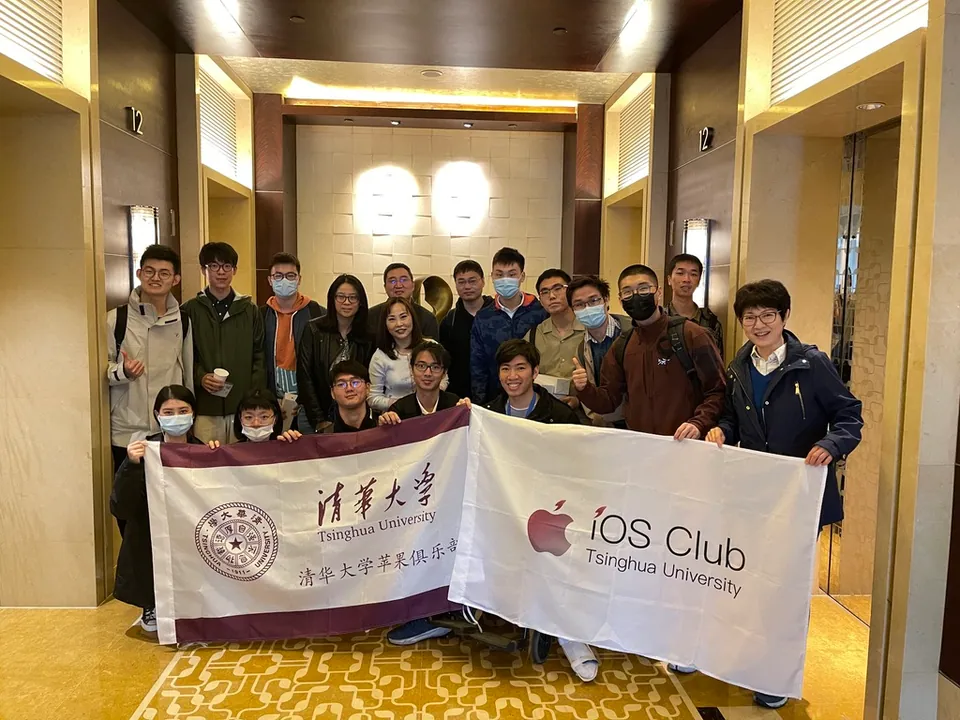
At Tsinghua University, I transferred into Information Art & Design, the department at the intersection of computing, media, and human behavior.
I did not know exactly where it would lead. It turned out to be the right question to follow: technology and expression began to feel like one discipline.
My first product design role at SenseTime taught me to put those ideas into practice through engineering and collaboration.
It also taught me that design does not end at the screen. It lives inside engineering constraints, maintenance cycles, and team handoffs.
At IIT Institute of Design — founded as the New Bauhaus — I learned to look beyond screens and design the relationships and systems behind them.
The Bauhaus I first met in a library in Guangzhou has a direct descendant in Chicago, and I ended up studying inside it.
What changed was the unit of work: not one screen at a time, but the thinking, relationships, and systems that produce every screen.
At Ingram Micro, I design Xvantage for resellers, vendors, and cloud providers.
It is a B2B commerce platform spanning tens of thousands of SKUs. My focus is search, discovery, and the moment just before someone commits to a decision.
I moved from the vendor side of the platform to buyer-side search. The product stayed familiar; the decision context changed, and the work got sharper.
Designing for both buyers and vendors has taught me to see the same experience from different perspectives — and understand how their needs and decisions connect.
To be continued…

Map data © OpenStreetMap contributors · Protomaps
The ones where people are spending attention on the wrong things because the product has not done enough thinking for them. B2B data workflows are full of this: too many states, competing sources of truth, and a decision hiding underneath a task. I like finding the moment where the system should help — and the moment where it should get out of the way.
I make ambiguity discussable. I can turn a fuzzy brief into a shared model, name the trade-off without making it personal, and build enough of the idea for the team to react to something real. I am happiest when design improves how the group makes decisions, not just what appears on the screen.
Direct, curious, and low-ego. I share the reasoning early, invite critique before the work becomes precious, and try to leave a clear trail of decisions. I will push when the user or the system needs it, and change my mind quickly when the evidence is better than mine.
I start small on purpose, but I do not confuse small with careless. A reversible slice that creates real learning is more valuable than a polished specification built on assumptions. Speed is how I reach the truth sooner — not how I skip the hard parts.
Where it expands coverage without pretending to own the judgment. I use it to cross-reference research, stress-test edge cases, and automate narrow quality checks. I do not use it to invent missing facts or turn uncertainty into an overconfident score. The useful question is not whether AI touched the work; it is whether the team can still explain and control the result.
I try to move the conversation from preference to consequence. What changes for the user, the business, the system, or the team if we choose one direction over another? I am comfortable pushing back, but I want the decision to get clearer — not the room to get louder.
Teams that treat design as part of the product decision, not the output of one — where anyone can ask, “Why are we building this?”